
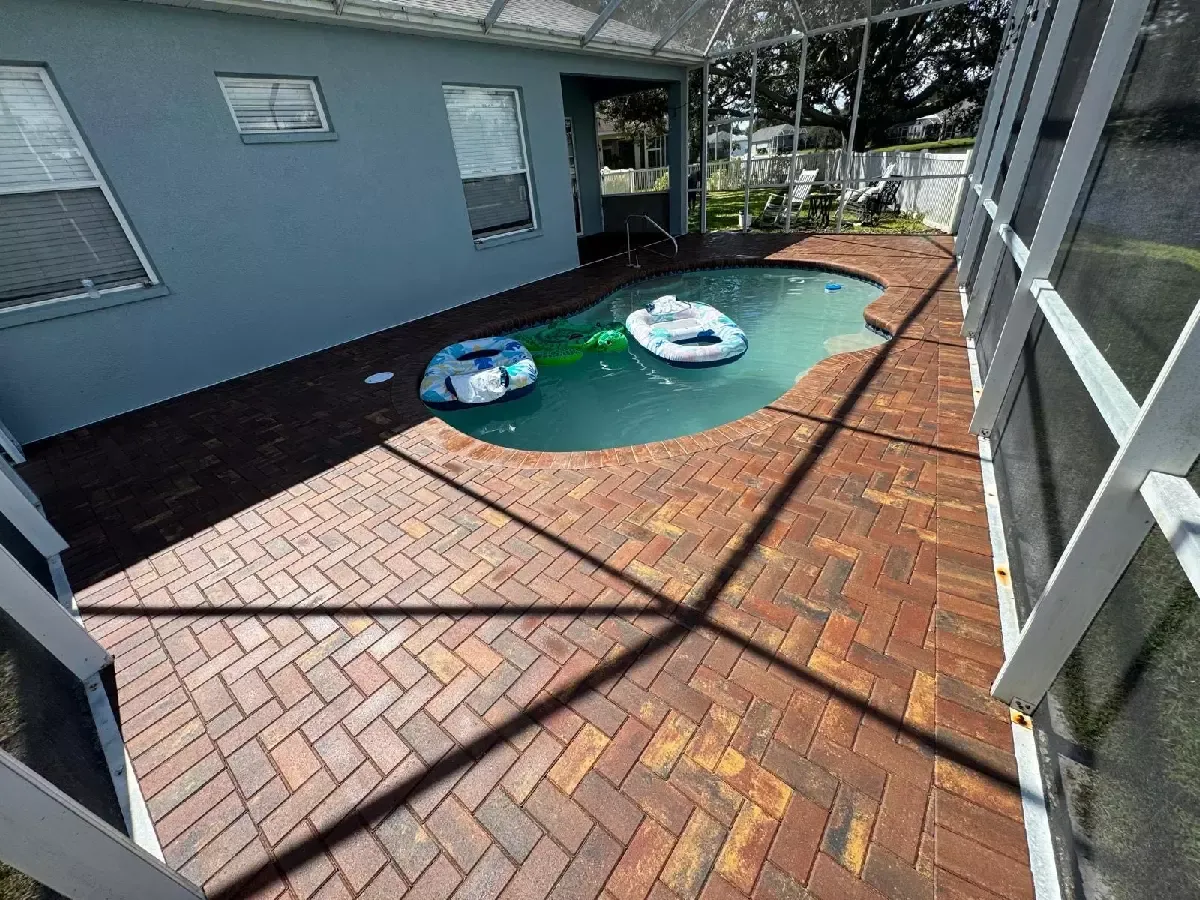
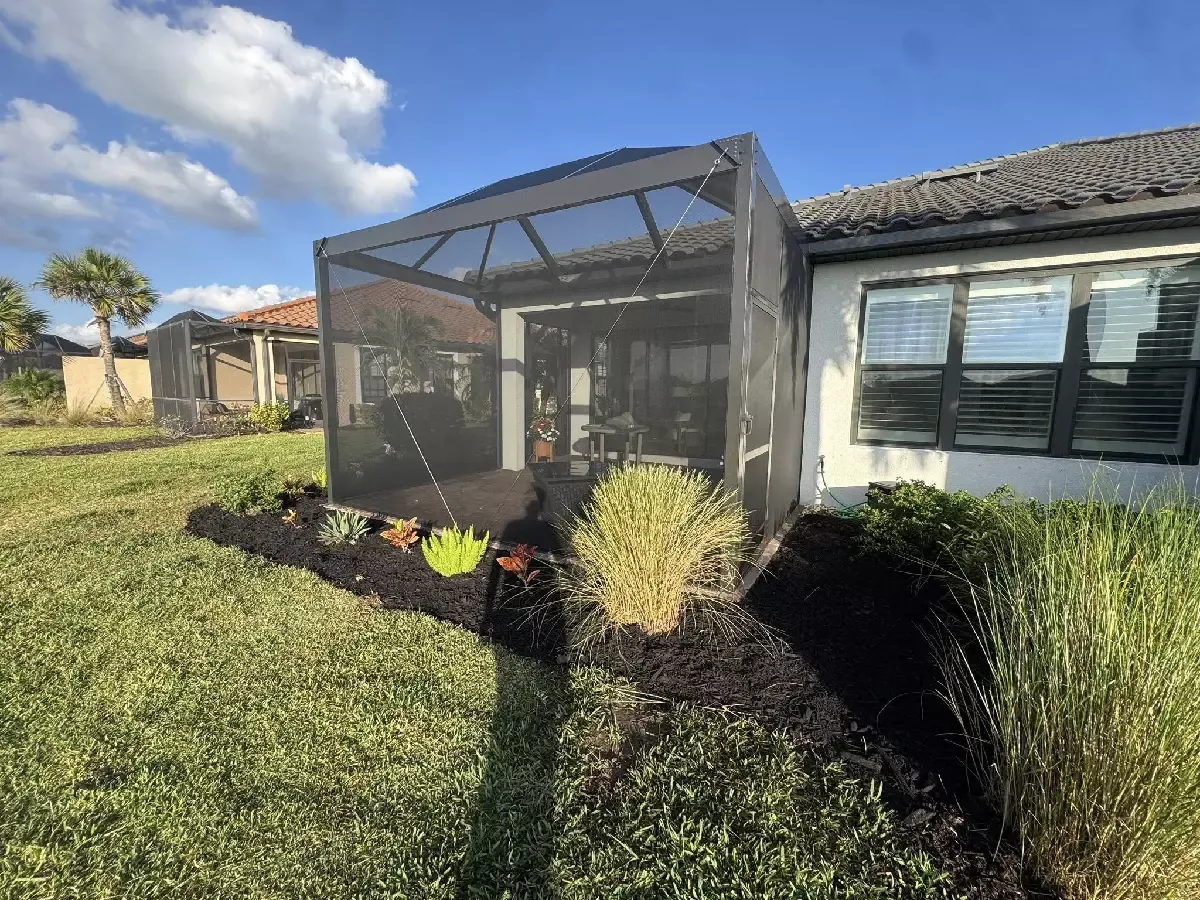
Brick-style deck inside a screened enclosure, Sarasota
The only surface on your property people cross barefoot and wet. Texture, color, and how hot it gets in July matter as much here as the base underneath, and all three are decided before anything is ordered.
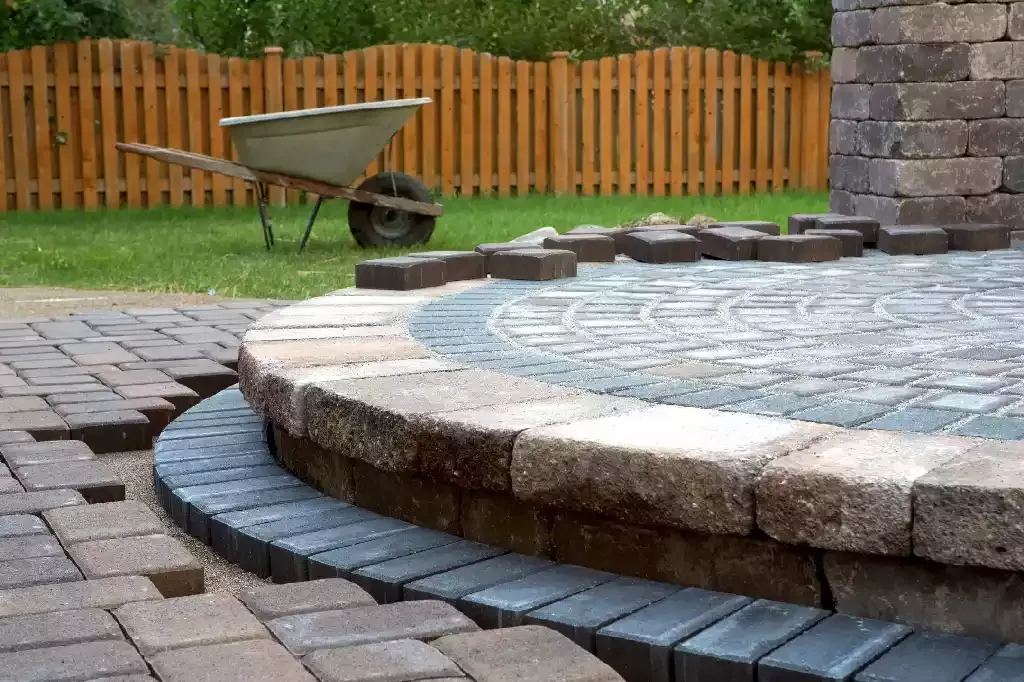
A driveway is judged on whether it holds up. A pool deck is judged every time somebody walks on it, because they are barefoot, the surface is wet, and the sun has been on it since ten in the morning.
That puts three decisions ahead of everything else: how the surface feels underfoot when wet, how hot it gets, and where the water goes. Get those right and the deck is comfortable. Get them wrong and no amount of good base work fixes it.
Send your address, the deck area, and whether it sits inside an enclosure. Your on-site evaluation gets scheduled from there.
Plenty of pool decks in this area are original slabs that have cracked, lifted at a joint, or settled at one corner. Overlaying that is tempting because it looks cheaper, and it usually is until the slab underneath keeps moving.
There is a second problem with overlaying. Adding height changes the relationship between the deck, the coping, and any threshold into the house, and you can end up with a step where there was not one before.
Once a paver deck is down, a future problem stays small. If equipment needs access or one area settles, units get lifted and reset rather than the deck getting saw cut. On a surface surrounded by a pool, that difference is worth a lot.
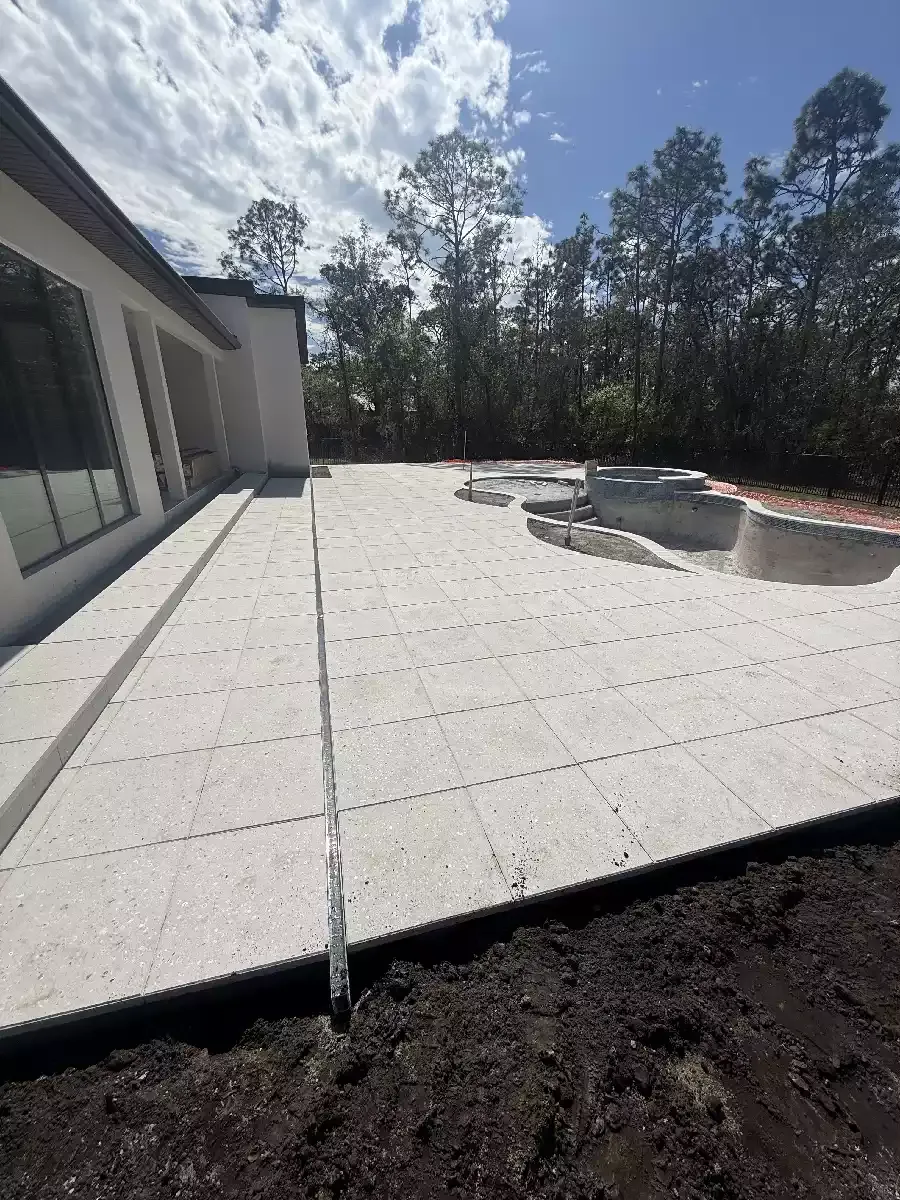
Brick-style deck inside a screened enclosure, Sarasota
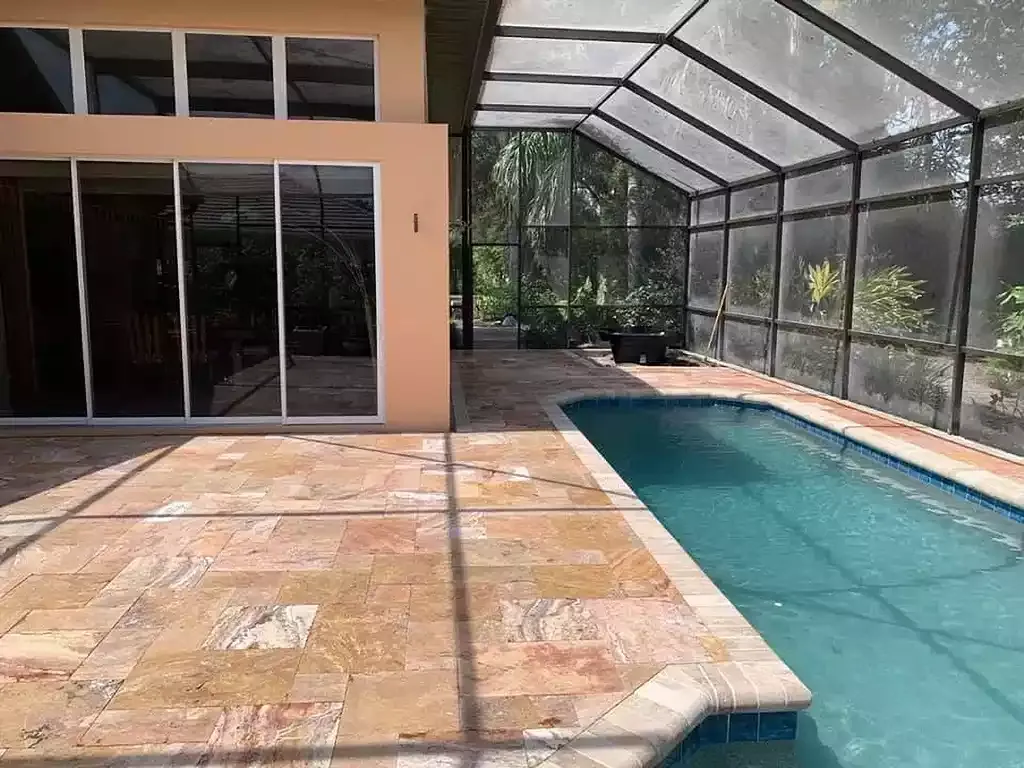
Deck and enclosure floor in one field, Venice
Covered deck area off the pool, Bradenton
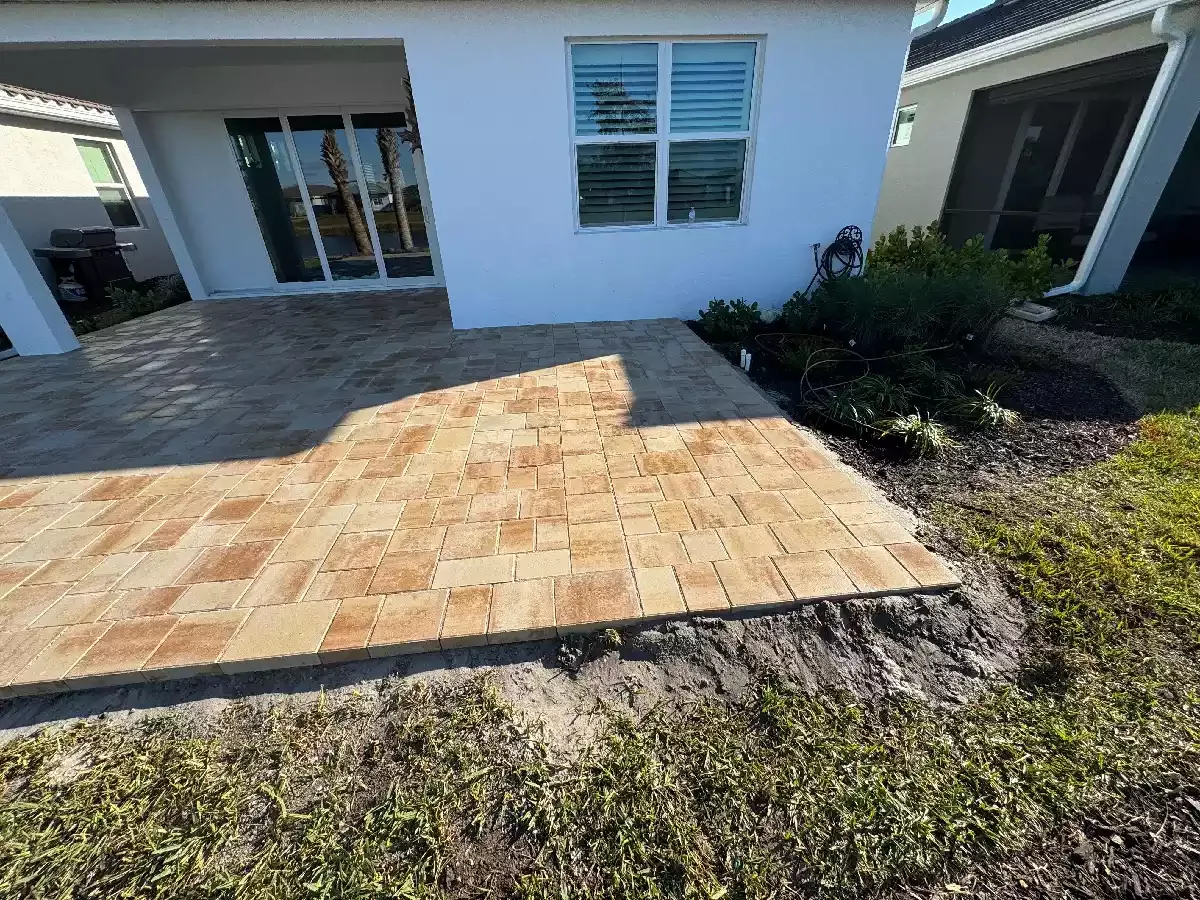
Light field chosen to stay cooler underfoot, Venice
Schedule an evaluation and you can settle texture and color standing on the deck rather than guessing from a sample.
Color and material both matter. Lighter units reflect more and generally run cooler underfoot than dark ones, and travertine is noticeably cooler than dark concrete in full sun. It is worth standing on samples outdoors at midday rather than choosing from a board indoors.
Surface texture is the variable. Slip-resistant surface options are available, and surface textures designed for wet environments are worth specifying on a deck that stays wet. You should feel the options before choosing rather than take a description on trust.
Overlaying an existing slab is rarely the right answer, because the new surface inherits whatever the slab does next, and it raises the finished height against your coping and thresholds. Removing it and building a proper compacted base is what makes the deck last.
Coping is the visible edge and the part everyone touches, so it gets planned rather than left to the last day. Whether you keep existing coping or replace it changes both the look and the elevation the deck has to meet.
Normal pool chemistry is not the problem people expect. Cleaning, joint sand restoration, and sealing keep the appearance where you want it. Maintenance frequency varies by use, exposure, and environment, and paver sealing and cleaning covers that work.
Water has to leave the deck without running toward the house or back into the pool. On a flat lot that slope is subtle enough that you will not feel it walking, and it is one of the main things your site evaluation resolves.
Yes. Working inside an enclosure changes access and puts a premium on cutting accuracy at the track. See lanai extensions and enclosure floors.
A 2-year warranty covering settling and structural issues. If a warranty repair is completed, the warranty period resets.
How the base system works, the cooler stone alternative, and the maintenance a deck actually needs.
The base system, the process, and the warranty behind every surface we build. Start here if you want to know how the work is actually done.
Natural stone rather than concrete. How it looks, how it feels underfoot in full sun, and where it is worth the difference.
Cleaning, joint sand restoration, and sealer application that keeps color consistent and makes routine cleanup easier.
Send your address, the deck area, and whether it sits inside an enclosure. Requests get a response within one business day.